Watercolor Plants and Books Patterns: A Creative Resource for Dark Academia Enthusiasts
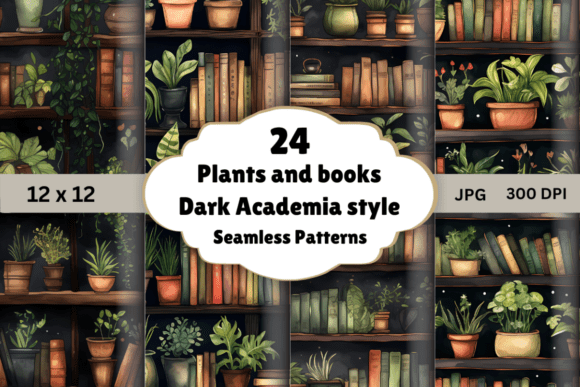
If you’ve ever been captivated by the aesthetic of dark academia — with its rich, moody tones, vintage charm, and intellectual allure — then the Watercolor Plants and Books Patterns set might be just what you need to bring that enchanting atmosphere into your creative projects. This collection features 24 seamless patterns in a watercolor style, each showcasing lush greenery intertwined with beautifully illustrated bookshelves and vintage books. Whether you're designing stationery, branding materials, or digital content, these patterns offer a unique way to infuse your work with a sense of timeless elegance and artistic depth.
What Are Watercolor Plants and Books Patterns?
The Watercolor Plants and Books Patterns are a curated set of digital designs created to evoke the essence of a scholarly sanctuary filled with nature’s beauty. Each pattern is crafted using soft watercolor techniques, giving it a hand-painted feel that adds warmth and authenticity to any design. The visuals often feature cascading ivy, delicate ferns, and blooming flowers nestled among rows of classic books and ornate shelves, making them ideal for anyone who loves literature, art, or cozy interiors.
These patterns are not just decorative; they’re designed to tell a story. They blend the tranquility of botanical illustrations with the sophistication of academic settings, creating an ambiance that feels both inviting and intellectually stimulating. The subtle textures and hues mimic the look of aged paper and ink, enhancing their nostalgic appeal.
Key Features of the Pattern Set
- 24 high-quality JPG files: The set includes a diverse range of patterns, ensuring there's something to match every mood and project requirement.
- 12x12 inches at 300 DPI: Perfectly sized and resolution-optimized for print and digital use.
- Seamless tileable designs: Each pattern can be repeated without visible seams, allowing for easy customization and application across large surfaces or backgrounds.
- Instant ZIP file download: No waiting around — access the full collection right away after purchase.
Purpose and Value of These Patterns
Designed primarily for those working in creative industries, the Watercolor Plants and Books Patterns serve as more than just visual assets. They’re tools that help creators express their vision with clarity and style. For instance, a stationery designer could use these patterns to craft elegant journal covers or gift wrap, while a brand looking to establish a literary or educational identity might incorporate them into packaging or website backgrounds.
One of the standout qualities of this pattern set is its versatility. Because they are seamless and scalable, they can be used across various platforms and formats. From greeting cards and notebooks to social media templates and blog headers, these designs adapt well to both traditional and modern mediums. Their watercolor finish also makes them particularly suitable for print-on-demand services where a soft, organic look is desired.
Who Can Benefit from These Patterns?
- Book lovers: Anyone passionate about literature will appreciate the thoughtful integration of books and plants, which creates a space that feels both personal and profound.
- Stationery designers: These patterns add a layer of sophistication to everyday items like calendars, stickers, and planners.
- Interior designers: Use the digital downloads as inspiration or even as part of printed wall art, textiles, or furniture wraps.
- Graphic designers: Ideal for background elements in editorial layouts, branding, or product packaging.
- Content creators: Bloggers, YouTubers, and Instagrammers can use these designs to elevate their visual storytelling and create cohesive themes around reading, learning, and nature.
Real-World Applications and Scenarios
Let’s explore some practical examples of how the Watercolor Plants and Books Patterns can be applied in real-world contexts:
- A small publishing house could use one of the darker, more dramatic patterns as a backdrop for their website to reflect a mysterious yet scholarly vibe.
- An online shop selling handmade journals or pens might feature a lighter, softer pattern on their product listings to evoke a sense of calm creativity.
- Teachers or educators could incorporate these patterns into classroom posters or printable resources to make learning environments feel more welcoming and inspiring.
- Photographers specializing in book photography might use these as backdrops for styled shoots or digital collages to enhance the overall theme.
These are just a few possibilities. The beauty of these patterns lies in their ability to blend seamlessly into a variety of uses while maintaining a consistent, thematic aesthetic.
Strengths and Limitations to Consider
While the Watercolor Plants and Books Patterns are incredibly useful, it's important to understand both their strengths and potential limitations before incorporating them into your work.
Strengths:
- High-resolution JPG format ensures crisp, clear prints and displays.
- Watercolor style offers a unique, handcrafted appearance that stands out in digital spaces.
- Seamless tiling means no interruption in the design when repeated, saving time and effort in layout creation.
- They provide a cohesive visual language for projects centered around nature, knowledge, and aesthetics.
Considerations:
- Because of the intricate details, these patterns may require careful adjustment in opacity or color when layered over text or other design elements.
- Some patterns may have a busy composition, which could be overwhelming if not balanced properly in the final design.
- As with all digital assets, ensure that you're using them within the scope of the licensing agreement provided by the creator or seller.
Evaluating Suitability for Your Projects
When deciding whether the Watercolor Plants and Books Patterns are right for your needs, consider the following questions:
- Do I need a design element that conveys a sense of history, nature, and intellectualism?
- Am I working on a project that benefits from a soft, organic texture rather than a rigid, geometric style?
- Will the pattern be used in print or digital form? If so, do I need seamless tiling for larger areas?
- Can I integrate these patterns into my existing brand or content strategy without clashing with other visual components?
Answering these questions can help you determine if these patterns align with your creative goals. It's also worth experimenting with different combinations and color overlays to see how they interact with your specific project requirements.
How to Use These Patterns Effectively
Here are some tips for maximizing the value of the Watercolor Plants and Books Patterns:
- Layer wisely: Use the patterns as background layers and avoid placing critical text or logos directly over the most detailed parts. Opt for transparent or semi-transparent elements to maintain readability.
- Customize colors: Adjust the hue or saturation slightly to better match your project’s color scheme or mood. Subtle changes can make a big difference in cohesion.
- Mix with other textures: Combine these patterns with minimalistic fonts, vintage frames, or sepia-toned photographs to build a complete dark academia-inspired theme.
- Use in moderation: While the patterns are beautiful, overuse can detract from the overall design. Apply them strategically to highlight key sections or products.
Why Choose Watercolor Style for Your Design?
Watercolor has become increasingly popular in design due to its softness and perceived authenticity. Unlike flat vector graphics or hyper-realistic photos, watercolor brings a tactile quality to digital work, making it feel more human and less artificial. When paired with elements like books and plants, it enhances the feeling of nostalgia and curiosity — two core aspects of the dark academia genre.
For creators aiming to connect emotionally with their audience, the Watercolor Plants and Books Patterns can act as a bridge between visual appeal and thematic resonance. The gentle brushstrokes and muted tones invite viewers to slow down and engage with the content on a deeper level, which is especially effective in educational or literary contexts.
Where to Find More Inspiration and Resources
If you're drawn to the dark academia aesthetic and want to explore similar design styles, there are many communities and platforms dedicated to this niche. Websites like Pinterest and Behance are great for discovering how others are using these kinds of patterns in their work. Additionally, forums and social media groups focused on interior design, typography, and book culture often share valuable insights and recommendations.
You can also experiment with combining these patterns with other design elements such as typography inspired by old manuscripts, candlelight effects, or shadow-based compositions to fully realize the dark academia vibe you're aiming for.
Final Thoughts on Watercolor Plants and Books Patterns
The Watercolor Plants and Books Patterns offer a rare combination of beauty, utility, and thematic richness. They cater to a wide audience, from hobbyists to professionals, and open up new possibilities for creative expression. By thoughtfully integrating these patterns into your projects, you can elevate the visual narrative and create a lasting impression that resonates with your audience.
Before committing to a full design overhaul, try using one or two patterns in sample projects to gauge their effectiveness. With the right approach, they can become a cornerstone of your visual identity — whether you're curating a cozy study room or launching a new line of artisanal notebooks.