Bold Geometric Patterns: A Modern Design Element with Timeless Appeal
Bold geometric patterns have become a staple in the world of design, offering a dynamic and visually compelling way to enhance everything from digital graphics to printed materials. These designs are characterized by their use of sharp lines, contrasting shapes, and vibrant colors, which together create an eye-catching aesthetic that resonates across multiple industries. Whether you're a graphic designer, an entrepreneur, or simply someone looking to spruce up your personal space, understanding the value and versatility of bold geometric patterns can unlock new creative possibilities.
What Are Bold Geometric Patterns?
Bold geometric patterns refer to visual compositions made up of simple, often repeating shapes such as triangles, circles, squares, and polygons. These elements are arranged in structured or abstract ways, emphasizing symmetry, repetition, and contrast. The key feature is the "bold" aspect—these patterns are not subtle; they command attention with their clarity and intensity.
In the context of digital downloads, such as the 4500 x 3000 pixel JPEG file offered in this product, bold geometric patterns are meticulously crafted to maintain high quality at large resolutions. With a 300 dpi resolution, these images are suitable for both screen display and high-quality printing, making them ideal for use in various applications including branding, web design, interior decoration, and more.
The Purpose and Significance of Geometric Patterns
Geometric patterns serve both functional and artistic purposes. On the artistic side, they add visual interest and depth to a composition. Their structured nature can evoke a sense of order, while their boldness brings energy and modernity. In practical terms, these patterns are used to communicate brand identity, set the tone for marketing materials, and even influence user experience in digital interfaces.
For businesses, incorporating bold geometric patterns into logos, websites, or packaging can help establish a unique visual language. This is especially important in competitive markets where standing out is crucial. In education, geometric patterns are sometimes used to aid learning through visual engagement, particularly in subjects like mathematics and art.
Why They’re Relevant in Today’s World
In the age of digital media and fast-paced communication, visual impact is essential. Bold geometric patterns are perfectly suited for this environment because they are easily recognizable and adaptable across platforms. From mobile screens to billboards, these designs retain their clarity and effectiveness.
Moreover, the rise of minimalism and modern aesthetics has brought geometric patterns back into the spotlight. Clean lines and structured forms align well with contemporary design trends, making them a popular choice among professionals who want to convey sophistication without complexity.
How to Use Bold Geometric Patterns Effectively
Using bold geometric patterns effectively requires a balance between creativity and intentionality. Here are some practical tips to help you integrate these designs into your work:
- Define the purpose: Before selecting a pattern, consider what message it should convey. Is it meant to inspire innovation, reflect stability, or capture attention? Each shape and color carries its own psychological weight.
- Choose complementary colors: Vibrant colors can make a pattern pop, but they must be chosen carefully to ensure readability and harmony. Tools like Adobe Color or Coolors can help you find the perfect palette.
- Scale appropriately: Since this pattern is available in a high-resolution format (4500 x 3000 pixels), you have the flexibility to scale it for different uses—from small icons to large posters.
- Layer strategically: Don’t hesitate to overlay text or other design elements on top of the pattern. However, ensure there's enough contrast so that the content remains legible and the pattern doesn't overwhelm it.
- Test before printing: As noted in the product description, the colors you see on your monitor may differ when printed. Always request a proof if possible, or test print on different materials to understand how the pattern will look in real life.
Common Applications in Business and Creativity
Bold geometric patterns are incredibly versatile and can be applied in numerous ways. Here are some common scenarios where they shine:
- Branding and Marketing: Companies often use geometric patterns in logos, brochures, and advertisements to create a memorable and cohesive brand image.
- Web and App Design: These patterns are used as background elements or interactive components to guide user navigation and highlight key features.
- Interior Design: In home decor and office spaces, geometric prints on walls, furniture, or textiles add a touch of modernity and personality.
- Fashion and Textiles: Designers incorporate geometric motifs into clothing, accessories, and fabrics to express style and individuality.
- Graphic Art and Illustration: Artists frequently use geometric abstraction to explore form, color, and movement in a stylized way.
Breaking Down Misconceptions About Geometric Patterns
Despite their popularity, there are still misconceptions about the use of bold geometric patterns. One common belief is that they are only suitable for minimalist or tech-focused brands. While it's true that geometric patterns pair well with modern aesthetics, they can also be used in traditional or luxury contexts when executed thoughtfully. For example, a fashion brand might blend geometric patterns with classic tailoring to create a fresh yet elegant look.
Another misunderstanding is that these patterns are too busy or distracting. In reality, when designed with balance and restraint, bold geometric patterns can enhance focus by providing structure and visual rhythm. Think of how a well-placed geometric border can frame a logo without overshadowing it.
Understanding Color and Shape Psychology
Color and shape play significant roles in how we perceive geometric patterns. Different hues and forms can elicit specific emotions or associations. For instance:
- Red and yellow are energetic and attention-grabbing, making them excellent choices for promotional materials or call-to-action buttons.
- Blue and green suggest calmness and trust, often used in healthcare, finance, or eco-friendly branding.
- Squares and rectangles represent stability and professionalism, while triangles can signify action or progress.
- Circles are associated with unity and continuity, and are often used in logos or circular infographics.
By understanding these principles, designers can tailor their geometric patterns to better align with their intended message or audience.
Integrating Bold Geometric Patterns Into Your Workflow
If you're considering using bold geometric patterns in your projects, here are a few steps to streamline the process:
- Download and organize: Once purchased, you’ll receive a zipped file containing the pattern. Extract the contents and store them in a dedicated folder for easy access.
- Experiment with tools: Try applying the pattern in different software such as Photoshop, Illustrator, or Canva. Each tool offers unique capabilities for scaling, layering, and modifying the design.
- Combine with other assets: Use the pattern as a base for other visuals like photos, illustrations, or typography. It can act as a canvas or a background enhancer.
- Consider context: Ensure the pattern complements the overall theme of your project. A vibrant geometric background may not suit a black-and-white editorial layout, for example.
- Test for accessibility: If using the pattern for digital content, check that it works well with text overlays and maintains contrast for users with visual impairments.
Real-World Examples
To illustrate the power of bold geometric patterns, let’s look at a few examples:
- Brand Identity: Nike’s iconic swoosh is a simple geometric shape that represents speed and motion. Though not a pattern, its geometric nature shows how effective such forms can be in branding.
- Digital Interface: Google’s Material Design system makes frequent use of geometric elements to create clean, intuitive UIs. Shapes like cards and buttons follow strict guidelines based on geometry.
- Home Decor: A living room wall featuring a geometric wallpaper can instantly transform the space, adding a contemporary flair while anchoring the design in simplicity.
- Print Media: Posters, flyers, and magazine covers often utilize geometric patterns to draw attention and reinforce thematic elements.
Designing for Multiple Platforms
With the availability of this pattern in a high-resolution JPEG format, it becomes a valuable asset for cross-platform use. Here’s how you can adapt it:
- Online Presence: Use it as a hero image on your website or social media banners. Its seamless nature means it can tile or stretch without visible seams.
- Print Materials: Apply it to business cards, brochures, or posters. The 300 dpi resolution ensures crisp printing, even when scaled down.
- Backgrounds and Overlays: Integrate the pattern as a subtle background behind text or images. You can adjust opacity to achieve the right balance between visibility and subtlety.
- Product Packaging: Add a geometric twist to your product boxes or labels. It can help differentiate your offerings in a crowded market.
- Interior Spaces: Print the pattern on fabric or vinyl and apply it to curtains, cushions, or wall coverings for a modern, artistic feel.
Remember, since no physical product is included, the pattern is entirely digital. After purchase, you'll receive immediate access to download the zipped file, allowing you to start working with it right away.
Maintaining Quality Across Devices and Screens
A critical point to keep in mind is that the colors displayed on your monitor may not match exactly when printed or viewed on another device. This variation is due to differences in screen calibration and printer profiles. To mitigate this issue, always calibrate your display before finalizing any color-dependent design. Additionally, provide clear instructions to printers regarding color modes (CMYK vs. RGB) to ensure consistency.
As a designer or consumer, being aware of these limitations helps manage expectations and results in a smoother workflow. Communicate openly with clients or manufacturers to avoid misunderstandings related to color accuracy.
Embracing Creativity with Geometric Designs
One of the most exciting aspects of bold geometric patterns is their potential to spark creativity. Unlike photographic images, geometric patterns offer endless customization options. You can change colors, rotate shapes, or introduce gradients and textures to create something truly unique.
For beginners, experimenting with geometric patterns is a great way to learn about design fundamentals like contrast, alignment, and repetition. For experienced creators, they offer a structured yet flexible medium to explore complex visual ideas.
Imagine using this pattern in a presentation slide. By adjusting the opacity and layering it beneath bullet points or images, you can add a professional and stylish backdrop without overwhelming the content. Or picture it as part of a mobile app interface—its seamless design allows it to repeat across screens without interruption, maintaining a consistent look and feel.
Where to Start Using Bold Geometric Patterns
Still unsure where to begin? Here are some beginner-friendly suggestions:
- Try free design tools: Canva, Figma, or Adobe Express are excellent starting points for beginners. Upload the pattern and experiment with layouts.
- Repurpose existing designs: Use the pattern as a background for your blog header, newsletter template, or social media posts to give them a fresh look.
- Create a mood board: Combine the pattern with other design elements to visualize how it could work within a larger project.
- Print for inspiration: Print the pattern on paper or cardstock and use it as a reference for future work or as part of a collage.
- Share with others: Use the pattern in collaborative projects or presentations to demonstrate how it can enhance visual storytelling.
Final Thoughts
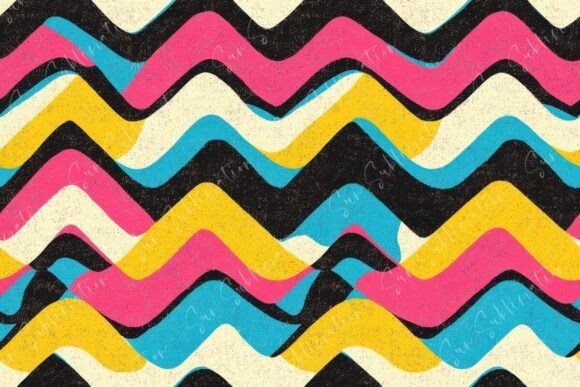
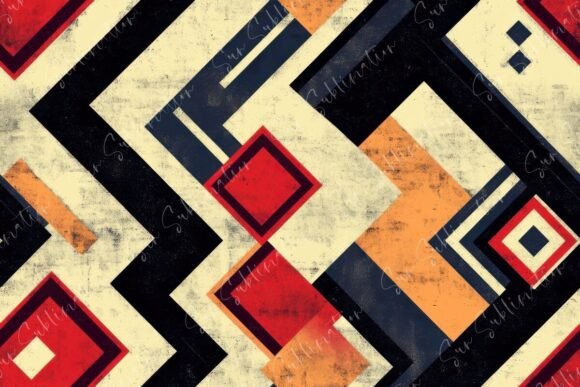
Bold geometric patterns are more than just decorative—they are powerful tools for communication, branding, and visual expression. When used correctly, they can elevate a project from ordinary to extraordinary. The seamless abstract pattern described here, with its combination of striking shapes and vibrant colors, is a prime example of how such designs can be both beautiful and functional.
Whether you're a seasoned designer or just getting started, integrating bold geometric patterns into your work can expand your creative horizons. As long as you remain mindful of resolution, color variations, and design intent, you’ll be able to leverage this resource to its fullest potential.
Thank you for visiting our store and exploring the world of bold geometric patterns. We hope this article has provided you with the knowledge and inspiration needed to bring this design element into your next project. Remember, the beauty of geometric patterns lies in their ability to be both timeless and trendsetting—a perfect balance for any modern creative endeavor.