Marbled Tie-dye Digital Paper Patterns: A Comprehensive Evaluation
In the evolving landscape of digital design, the demand for versatile, high-quality assets has never been higher. Among the myriad options available to creators, Marbled Tie-dye Digital Paper Patterns have emerged as a popular choice for those seeking organic textures and vibrant aesthetics. This evaluation explores what these digital papers entail, their practical applications, and the specific considerations buyers should weigh before making a purchase. Whether you are a seasoned graphic designer, a hobbyist crafter, or a small business owner looking to enhance your product offerings, understanding the nuances of this asset type is crucial for making an informed decision.
Understanding Marbled Tie-dye Digital Paper Patterns
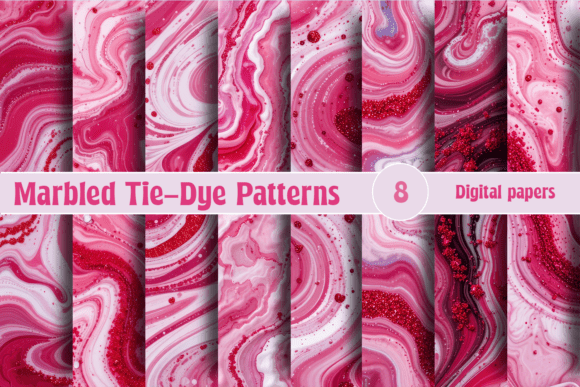
At its core, a digital paper pattern is a raster image file—typically in JPG or PNG format—that serves as a background or texture for various design projects. The specific category of Marbled Tie-dye Digital Paper Patterns combines two distinct visual styles: the swirling, fluid dynamics of marbling and the colorful, randomized bleeding effects characteristic of tie-dye textiles. The result is a set of high-resolution images that mimic natural, handcrafted processes while offering the consistency and scalability required for modern digital workflows.
When you purchase a bundle of these patterns, such as the collection mentioned in our reference data, you typically receive multiple variations. In the case of the standard 8-file bundle, users gain access to eight distinct JPG files. These files are designed to be high-resolution, ensuring that they remain crisp whether viewed on a small mobile screen or printed at large sizes for physical merchandise. It is important to note that these are digital downloads; no physical items are shipped, and the transaction concludes with the delivery of the image files.
Key Applications and Use Cases
The versatility of Marbled Tie-dye Digital Paper Patterns makes them suitable for a wide array of creative endeavors. Below are some of the most common applications where these assets provide significant value:
- Digital Scrapbooking and Junk Journaling: For enthusiasts who create digital layouts or printables, these patterns offer a ready-made aesthetic that saves time on background creation. They add depth and visual interest to digital albums without requiring advanced photo editing skills.
- Sublimation Printing: One of the most lucrative uses for these digital papers is in sublimation design. Because the patterns are high-resolution, they can be scaled up to fit t-shirts, mugs, tote bags, and phone cases. The tie-dye effect translates particularly well to fabric, creating products that appeal to consumers looking for unique, bohemian-style apparel.
- Gift Wrap and Packaging Design: Small businesses and individuals often use these patterns to create custom gift wrap designs. The organic nature of the tie-dye look ensures that no two pieces of wrapping paper look exactly alike, adding a premium feel to gifts.
- Background Designs for Social Media: Content creators frequently need engaging backgrounds for Instagram posts, Pinterest pins, or YouTube thumbnails. These patterns provide a visually stimulating backdrop that can help text and other elements stand out.
Evaluating Benefits and Tradeoffs
While Marbled Tie-dye Digital Paper Patterns offer numerous advantages, it is essential to weigh them against potential limitations to determine if they align with your specific needs.
Benefits
The primary benefit is efficiency. Creating high-quality, seamless tie-dye textures from scratch requires specialized software knowledge and significant time investment. By purchasing a pre-made bundle, designers can bypass the creation phase and move directly to the application phase. Additionally, the high resolution of these files ensures professional results. Unlike low-quality clip art that pixelates when enlarged, these JPG files maintain clarity, which is critical for print-on-demand businesses.
Furthermore, the cost-effectiveness of digital bundles cannot be overstated. For a single purchase price, users receive eight distinct designs. This variety allows for experimentation across different projects without additional expense. The convenience of immediate access is another major plus; once the download is complete, the assets are available for instant use.
Tradeoffs and Considerations
Despite the benefits, there are tradeoffs to consider. First, the lack of editability is a significant constraint. Since these are raster images (JPG files) rather than vector graphics (like AI or EPS files), they cannot be easily resized without loss of quality, nor can individual colors or shapes be modified within a program like Adobe Illustrator. If you require full control over the design elements, you may find these patterns limiting.
Another consideration is the technical requirement. Users must have a computer capable of unzipping compressed files and a design program that supports JPG formats. While most modern devices handle this effortlessly, beginners unfamiliar with file management might face a slight learning curve. Additionally, because these are digital-only products, there is no tactile experience until the user prints the design themselves. This disconnect can sometimes lead to mismatched expectations regarding color accuracy between the screen and the final print.
Who Is This Product Best Suited For?
Marbled Tie-dye Digital Paper Patterns are an excellent fit for several specific groups of people. They are ideal for print-on-demand sellers who need a steady stream of trendy, eye-catching designs for platforms like Etsy or Redbubble. The tie-dye aesthetic remains consistently popular, making these assets a reliable inventory source.
They are also well-suited for hobbyist crafters who enjoy junk journaling or digital scrapbooking but lack the time or skill to create complex backgrounds manually. For these users, the ease of use and immediate availability make the bundle a valuable tool. Finally, small business owners looking to brand their packaging or marketing materials with a unique, handmade vibe will find these patterns cost-effective and aesthetically pleasing.
When to Consider Alternatives
However, this product may not be the right choice for everyone. If you are a professional graphic designer working on a campaign that requires precise color matching or extensive manipulation of individual elements, vector-based digital papers would be a superior alternative. Vectors allow for infinite scaling and easy editing, offering greater flexibility than static JPG files.
Similarly, if your project involves large-format printing beyond standard commercial sizes, you must verify the resolution of the specific files included in the bundle. While "high-resolution" is a common claim, it does not always guarantee suitability for billboard-sized prints. In such cases, sourcing custom-designed assets or hiring a designer might be more appropriate.
Practical Decision-Making Insights
To determine if Marbled Tie-dye Digital Paper Patterns align with your goals, ask yourself the following questions:
- Do I need editable layers? If yes, look for vector files instead of JPGs.
- What is my intended output? If you are printing on fabric or paper, ensure the DPI (dots per inch) of the downloaded files meets the requirements of your printer.
- Am I comfortable managing digital files? Ensure you have the necessary software to unzip and open the files before purchasing.
- Is the aesthetic consistent with my brand? Tie-dye patterns convey a casual, fun, and artistic vibe. Ensure this matches the tone of your project.
In conclusion, Marbled Tie-dye Digital Paper Patterns represent a practical, efficient solution for creatives seeking vibrant, organic textures. By understanding their capabilities and limitations, users can leverage these assets to enhance their projects effectively. Whether used for commercial sublimation products or personal digital crafts, this bundle offers a solid foundation for creative expression, provided the buyer’s technical needs and design goals align with the nature of raster-based digital paper.