Green Seamless Patterns with Plants: Elevating Digital Design with Organic Vector Art
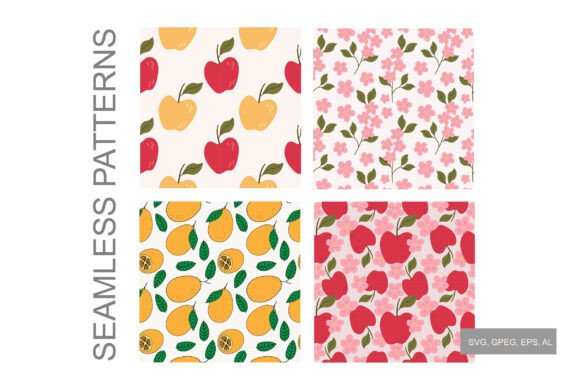
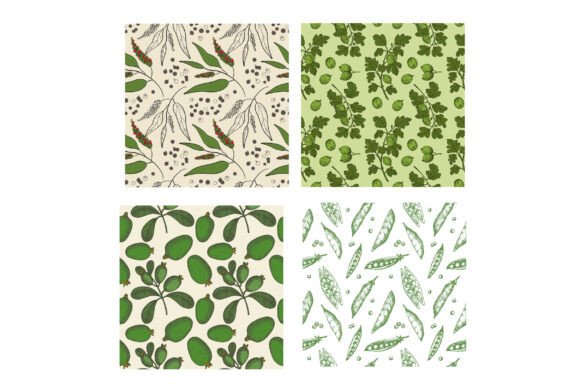
In the world of digital design, few elements are as versatile or visually soothing as nature-inspired motifs. Green Seamless Patterns with Plants represent a significant leap forward for designers, marketers, and creatives who want to infuse their projects with organic warmth without sacrificing technical precision. These aren't just static images; they are sophisticated, repeating vector backgrounds featuring flowers, leaves, vegetables, fruits, and intricate plant motifs that loop perfectly in any direction.
Whether you are designing a boutique packaging label, laying out a corporate presentation, or crafting a whimsical children’s book, the ability to use high-quality, scalable botanical patterns can transform a flat design into something tactile and engaging. The availability of these assets in multiple file formats—specifically within an accessible ZIP download containing AI-10, EPS-10, JPG, and SVG files—means that professionals across various skill levels can integrate them seamlessly into their workflows.
The Power of Seamless Repetition in Modern Design
At its core, a seamless pattern is a tileable image where the edges align perfectly with opposite edges, creating an infinite background. When this concept is applied to green plant motifs, it creates a sense of continuity and abundance. For a web designer building a landing page for an eco-friendly brand, using a subtle leaf pattern as a background texture adds depth without distracting from the primary call-to-action. It provides visual interest that feels natural rather than manufactured.
The advantage of vector-based patterns over raster images cannot be overstated. Because these designs are built on mathematical paths rather than pixels, they remain crisp at any scale. You can stretch a vegetable motif pattern across a massive billboard or shrink a delicate flower border down to a favicon size, and the quality remains untouched. This scalability is crucial for responsive web design, where layouts must adapt fluidly to different screen sizes while maintaining aesthetic integrity.
Real-World Applications Across Industries
The utility of Green Seamless Patterns with Plants extends far beyond simple decoration. Different industries leverage these assets to solve specific communication challenges and enhance user experience.
Packaging and Product Design
For artisanal food brands, skincare companies, and sustainable product lines, packaging is the first point of contact with the consumer. A seamless pattern featuring realistic illustrations of mint, basil, or citrus fruits can instantly communicate the ingredients inside the box. Imagine a tea company using a repeating pattern of dried chamomile flowers on their box lid. It tells a story before the customer even reads the label. The inclusion of vegetable and fruit motifs allows for clear categorization and appeal, making products look fresh and organic.
Textile and Fashion
Fashion designers and textile artists have long relied on repeat patterns for fabric printing. With the shift towards digital printing in the apparel industry, having ready-to-use vector files is a game-changer. A clothing line focused on summer wear might utilize a bright, tropical leaf pattern, while a home decor brand might opt for a more subdued, monochromatic fern design. The ability to export directly to SVG or EPS ensures that the pattern can be sent straight to printing machines without loss of detail.
Digital Media and User Interface (UI)
In UI/UX design, white space is precious, but sometimes screens need a bit of character. Green plant patterns serve as excellent headers, footers, or sidebars for websites and mobile apps. They break up large blocks of text and guide the user’s eye. For educational platforms teaching biology or gardening, these patterns provide contextual relevance, making the learning environment feel immersive and thematic.
Why File Format Versatility Matters
One of the most practical aspects of downloading this asset pack is the diversity of included formats. Understanding which format to use when can save hours of troubleshooting and conversion work.
- AI-10 and EPS-10: These are the gold standards for professional graphic design. If you are working in Adobe Illustrator or InDesign, these native formats allow you to edit individual elements. Perhaps you want to change the color of one specific leaf or adjust the spacing between the repeating units. Having editable vector files gives you complete creative control.
- SVG: As the standard for web graphics, SVG files are lightweight and code-friendly. Web developers can embed these patterns directly into HTML or CSS, ensuring fast load times and perfect rendering on all modern browsers. This is ideal for creating animated backgrounds or interactive elements.
- JPG: For quick mockups, social media posts, or clients who do not have design software, high-resolution JPEGs provide immediate usability. They are universally compatible and easy to drop into PowerPoint presentations, Word documents, or basic photo editing tools.
The convenience of receiving all these formats in a single ZIP file removes the friction from the creative process. You don’t need to hunt down converters or worry about compatibility issues. You download, you extract, and you create.
Considerations for Effective Usage
While these patterns are powerful tools, their effectiveness depends on how they are applied. One common mistake is over-saturation. Using a dense, high-contrast plant pattern as the main background for a text-heavy document can make reading difficult. Instead, consider using lighter versions of the pattern with reduced opacity, or apply the pattern only to specific areas like borders, watermarks, or accent panels.
Color harmony is another critical factor. The "green" in these patterns ranges from deep forest hues to bright lime tones. Matching the shade of green to your brand palette is essential. If your brand uses earthy browns and creams, a sage green pattern will blend harmoniously. Conversely, if you are aiming for a vibrant, energetic look, pairing a neon-green pattern with bold typography can create a striking contrast.
Additionally, think about the cultural and emotional associations of the plants used. Flowers often evoke feelings of growth, beauty, and fragility, while vegetables and herbs suggest nourishment, health, and practicality. Choosing the right motif aligns your design with the intended message. A spa website benefits from soft floral loops, whereas a fitness blog might prefer dynamic leaf shapes that imply movement and vitality.
Bridging the Gap Between Nature and Technology
We live in an increasingly digital age, yet there is a persistent craving for connection to the natural world. This phenomenon, often referred to as biophilia, explains why people find comfort in images of nature. By integrating Green Seamless Patterns with Plants into digital projects, designers tap into this innate preference. These patterns bring a touch of the outdoors into screens, boxes, and fabrics, creating a more human-centered design experience.
The technical robustness of these vector assets ensures that this natural beauty is preserved through every stage of production. From the initial sketch in Illustrator to the final print on a t-shirt, the integrity of the design remains intact. This reliability is what separates professional-grade assets from amateur clip art.
Ultimately, the value of these patterns lies in their flexibility. They are not rigid templates but adaptable components that respond to your creative vision. Whether you are a seasoned graphic designer looking to add texture to a complex layout, or a small business owner trying to give your brand a polished, professional look, these plant motifs offer a solution that is both aesthetically pleasing and practically sound. By leveraging the power of seamless repetition and vector precision, you can create designs that stand out in a crowded digital landscape while maintaining a grounded, organic appeal.