Evaluating Nursery Digital Paper Patterns: A Practical Guide to High-Resolution Design Assets
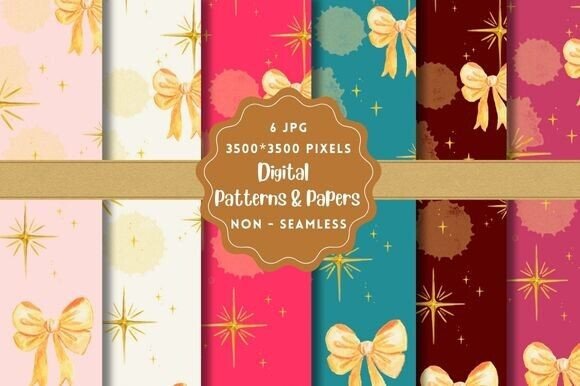
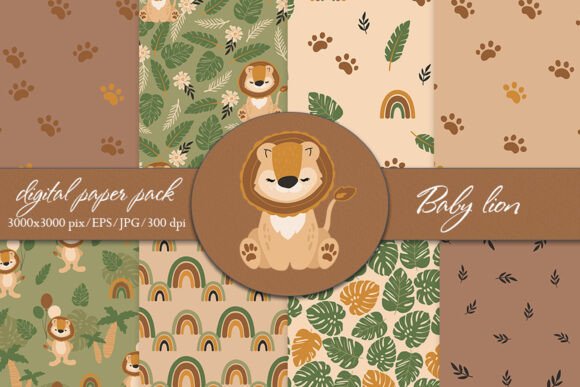
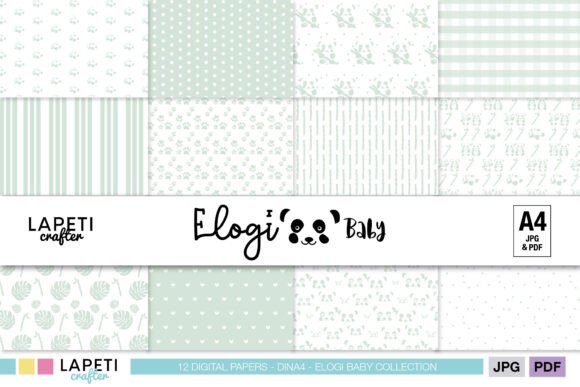
In the rapidly evolving landscape of digital design and print-on-demand services, the quality of foundational assets often dictates the success of a final product. For creators focusing on children’s themes, Nursery Digital Paper Patterns have emerged as a critical resource. Specifically, high-resolution downloadable files, such as those offered in 3500x3500 pixel JPG formats at 300 DPI, provide a level of versatility that standard clipart or low-resolution images simply cannot match. This analysis explores the utility, application, and strategic advantages of using these specific digital paper patterns, helping designers, entrepreneurs, and hobbyists determine if this format aligns with their creative workflow.
The Technical Advantage of High-Resolution Standards
Before diving into use cases, it is essential to understand why the technical specifications matter. The standard for professional printing is 300 dots per inch (DPI). Many free or low-cost digital assets online are optimized for screen display (72 DPI), which results in pixelation when printed. Nursery Digital Paper Patterns that boast 3500x3500 pixels ensure that even when scaled up for large-format items like wall art or posters, the image remains crisp and clear.
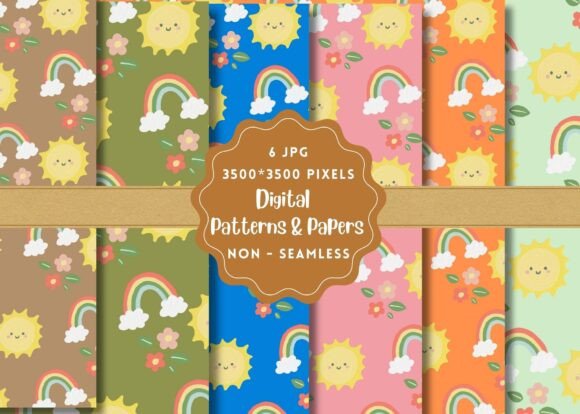
This resolution allows for significant flexibility in scaling. Whether you are designing a small greeting card or a large tote bag, the aspect ratio and detail integrity remain intact. For professionals, this eliminates the need for time-consuming vectorization or upscaling software, which can sometimes degrade image quality. The inclusion of six distinct downloadable pattern JPGs in a single package offers immediate variety, reducing the research time required to find cohesive design elements.
Diverse Application Scenarios
The true value of these digital papers lies in their adaptability across multiple mediums. Unlike specialized graphics designed for one specific purpose, nursery-themed digital backgrounds serve as versatile foundations for a wide array of projects.
- Print-on-Demand Products: Entrepreneurs utilizing platforms like Redbubble, Society6, or Etsy can integrate these patterns directly onto products. The high resolution ensures that designs on physical items—such as baby blankets, nursery curtains, or children’s clothing—look professional and commercially viable.
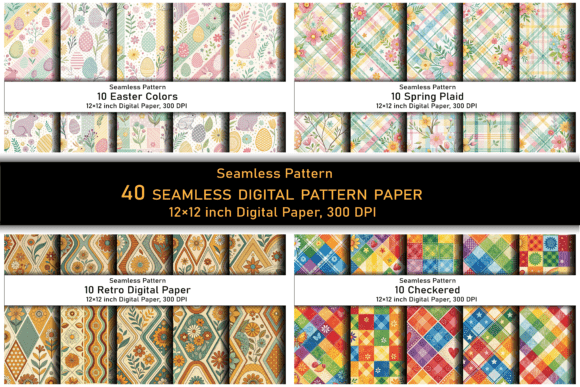
- Stationery and Greeting Cards: For stationers, these patterns provide an instant backdrop for invitations, thank-you notes, and baby shower cards. The seamless nature of many digital patterns allows for easy tiling, making them ideal for wrapping paper or scrapbooking layouts where continuity is key.
- Digital Backgrounds and Templates: In the realm of digital planning and social media, these high-quality JPGs serve as premium backgrounds. They can be used in Canva templates, digital planners, or website headers, adding a soft, thematic touch without cluttering the interface.
- Home Décor and Wall Art: Because of the 3500-pixel dimension, these files are suitable for large prints. Artists can frame these patterns as minimalist nursery decor, leveraging negative space effectively while maintaining visual interest through subtle textures or motifs.
Comparative Analysis: Digital Papers vs. Traditional Clipart
When evaluating design resources, creators often choose between individual clipart elements and seamless digital paper patterns. Understanding the tradeoffs between these two approaches helps in selecting the right tool for the job.
Clipart Elements offer granular control. You can move, resize, and recolor individual icons. However, creating a cohesive background from scratch requires significant time spent arranging elements, ensuring consistent lighting, and managing layer complexity. This approach is best suited for custom illustrations where unique composition is the primary goal.
Digital Paper Patterns, conversely, offer efficiency and cohesion. A pre-designed pattern ensures color harmony and stylistic consistency instantly. For bulk production, such as creating a full set of party favors or a collection of notebook covers, digital papers drastically reduce turnaround time. The limitation, however, is less flexibility; you cannot easily remove a specific element from the pattern without advanced editing skills. Therefore, Nursery Digital Paper Patterns are ideal for projects where speed and aesthetic unity are prioritized over bespoke illustration.
Integration with Physical and Digital Workflows
One of the standout features of modern digital assets is their dual-purpose nature. These JPG files bridge the gap between digital creation and physical manifestation seamlessly.
For physical items, the 300 DPI specification is non-negotiable. When uploading designs to printers, substandard resolution leads to blurry edges and muddy colors, particularly in fine details common in nursery themes (like tiny stars, animals, or botanical elements). By starting with a 3500x3500 source file, designers retain the option to crop or zoom without losing fidelity. This is particularly useful for print-on-demand services that have strict size requirements for different product types.
For digital templates, the visual weight of the pattern matters. A heavy, dark pattern might overwhelm text in a digital planner, while a light, airy pattern enhances readability. Evaluating the contrast and brightness of the six included JPGs allows designers to mix and match based on the intended digital output. Some patterns may work better as subtle textures behind text, while others serve as bold focal points for social media graphics.
Evaluating Suitability and Decision Factors
Deciding whether to incorporate Nursery Digital Paper Patterns into your workflow depends on several factors. It is not a one-size-fits-all solution, but rather a specialized tool within a broader design toolkit.
Best-Fit Situations
- Bulk Content Creation: If you produce content regularly, having a library of high-res patterns saves hours of design time per project.
- Brand Consistency: For brands targeting the nursery or early childhood market, having access to cohesive, high-quality thematic backgrounds ensures a professional brand identity across all touchpoints, from packaging to web design.
- Scalable Product Lines: If you plan to expand from small items (stickers) to larger items (wall murals), starting with high-resolution assets future-proofs your inventory.
When to Consider Alternatives
While digital papers are powerful, they may not be the right choice for every scenario. If your project requires highly specific, narrative-driven illustrations (e.g., a character telling a story), clipart or custom vector art is more appropriate. Additionally, if you require fully editable vectors (AI or EPS files) to manipulate the internal geometry of the pattern, JPGs will limit you to raster-based adjustments. In such cases, seeking out vector-based nursery collections would be a more prudent investment.
Practical Tips for Maximizing Value
To get the most out of your Nursery Digital Paper Patterns, consider adopting a systematic approach to usage:
- Organize by Theme: Categorize the six JPGs by color palette or motif. This makes it easier to select the right pattern for a specific client request or seasonal theme.
- Test Print Early: Before committing to a large print run, always test a small section of the pattern on your target material. Ink absorption varies by paper type, and a digital preview does not always account for how ink interacts with fabric or matte paper.
- Leverage Transparency: Even though these are JPGs, experimenting with opacity layers in design software can create depth. Placing a lighter pattern over a solid color or another pattern can yield unique hybrid effects.
Conclusion on Resource Selection
The decision to use Nursery Digital Paper Patterns should be driven by the specific needs of your project regarding scale, speed, and aesthetic cohesion. The availability of high-resolution, 300 DPI JPGs in a 3500x3500 pixel format represents a significant upgrade in usability for both digital and physical applications. By understanding the strengths of seamless patterns versus individual elements, and recognizing the importance of resolution in print quality, creators can make informed choices that enhance their productivity and the commercial viability of their work. Whether for a quick greeting card design or a comprehensive nursery décor line, these digital assets offer a robust foundation for creative exploration.